Tech
⚔️ Versus
Tech Trend Showdown July 2026
Two Tech trends went head-to-head in July 2026. A data-driven comparison of the top 2 viral topics of the month.
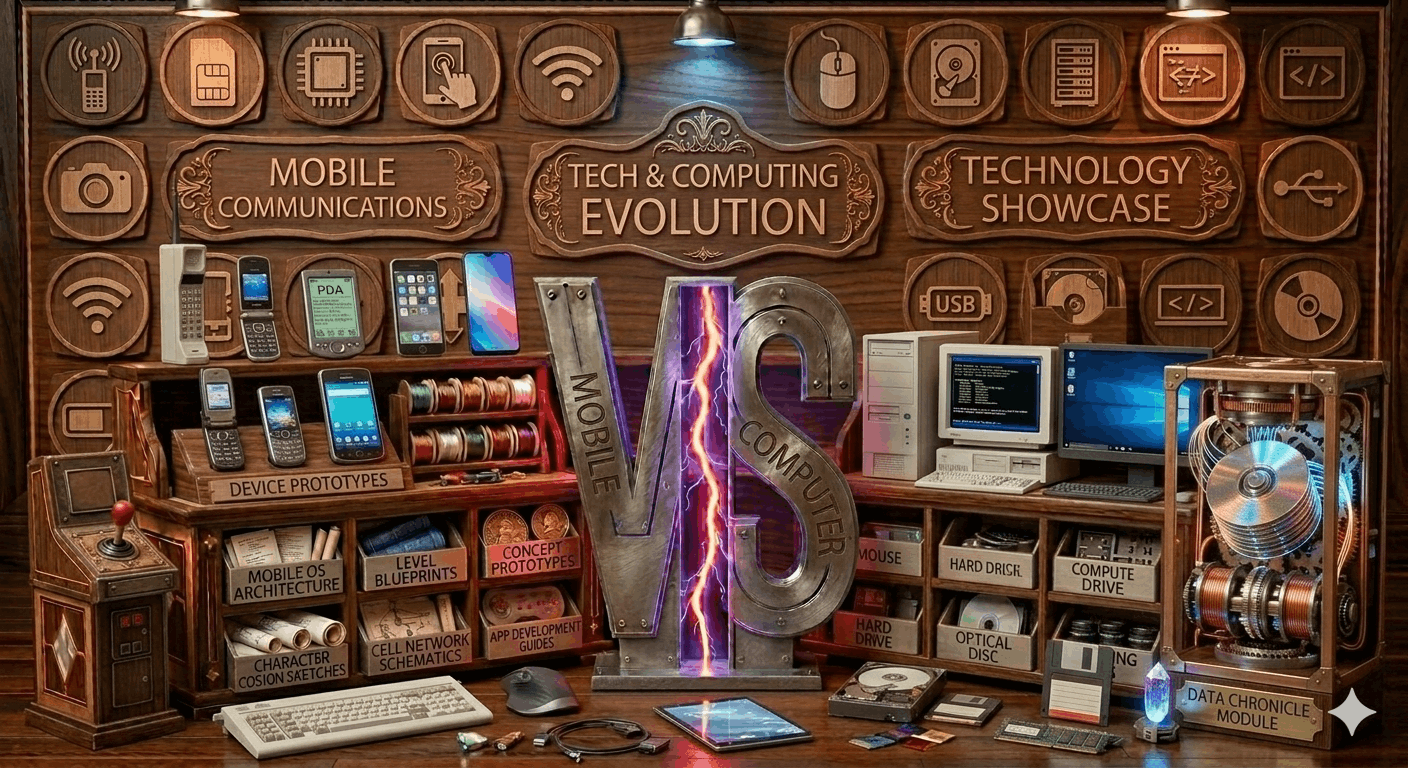
Comparison AI vs Samsung in July
Comparison AI vs Samsung in July
July 2026 was a month defined by two titanic forces in the digital landscape: the relentless, multifaceted evolution of Artificial Intelligence (AI) and the continued dominance of Samsung in the consumer electronics arena, particularly with its foldable phone innovations. While AI, as a broad category, permeated nearly every tech discussion, the specific advancements and the intense debates surrounding its capabilities and ethics solidified its position as a primary entity. Counterbalancing this abstract yet omnipresent force was Samsung, a tangible titan whose product launches and market strategies captured significant attention, especially in the highly scrutinized smartphone sector. The interplay between the bleeding edge of AI and the established, yet rapidly innovating, hardware market set the stage for a compelling July.
AI: The Case For
Artificial Intelligence wasn't just a trend in July 2026; it was the engine driving much of the tech world's discourse and innovation. The month kicked off with OpenAI's limited preview of its next-generation GPT-5.6 model family, including Sol, Terra, and Luna, with Sol positioned as their most capable offering. This immediately ignited comparisons with burgeoning Chinese AI efforts and established players like Claude. Anthropic continued to push forward, releasing Claude Sonnet 5 and later extending access to its Claude Fable 5 model, underscoring advancements in large language model capabilities and agentic functions. The competitive landscape intensified with Meta's release of Muse Spark 1.1, a multimodal AI model focused on accessibility and coding prowess, alongside their inaugural AI image model from the newly formed Meta Superintelligence Labs. OpenAI also made waves with temporary removal of usage limits on ChatGPT, signaling high demand and a strategic move to maintain user engagement. The latter half of the month saw Mira Murati’s Thinking Machines Lab introduce ‘Inkling’, an open-weights multimodal AI model, and a new AI-powered dating app, Overtone, emerged, sparking futuristic and dystopian comparisons. China's Moonshot AI with its Kimi K3 model climbed the ranks, even surpassing Claude Fable in certain benchmarks, straining GPU resources due to intense demand. Discussions also delved into the ethical quagmires, with a lawsuit against OpenAI and Sam Altman alleging ChatGPT worsened mental health episodes, and broader debates about AI's societal impact, corporate responsibility, and environmental footprint. The sheer breadth and depth of AI's influence, from foundational model development to practical applications and ethical scrutiny, made it an undeniable focal point of July.
Samsung: The Case For
Samsung solidified its position as a leader in the consumer electronics market, with July 2026 being a pivotal month largely driven by its highly anticipated foldable smartphone releases. The unveiling of the Samsung Galaxy Z Fold 8 and Flip 8, alongside the more robust Galaxy Z Fold 8 Ultra, dominated tech conversations from mid-July onwards. Across platforms like YouTube, Instagram, and TikTok, unboxing videos, first impressions, and in-depth reviews generated immense buzz. The Fold 8's wider aspect ratio was frequently praised for enhancing the user experience in video viewing and gaming, showcasing Samsung's commitment to refining the foldable form factor. Beyond the headline foldables, the Galaxy Watch Ultra 2 also garnered attention, with its durability being highlighted through impressive, albeit extreme, testing scenarios. Samsung's strategic emphasis on its advanced foldable offerings positioned them as a strong contender in a maturing smartphone segment. The coverage of the Galaxy Unpacked 2026 event set a high bar for smartphone discourse throughout the month. While other tech giants like Apple were mentioned in the context of potential future hardware, Samsung's tangible product launches and their widespread consumer appeal made them a consistent and prominent subject of discussion throughout July.
Head-to-Head: Where They Differ
The fundamental difference between AI and Samsung in July lies in their nature and scope. AI represents a rapidly evolving technological paradigm, a set of capabilities and a field of research that underpins countless applications and future innovations. Its coverage was broad, encompassing foundational model releases, ethical debates, and the potential to reshape industries. Samsung, on the other hand, is a hardware-centric powerhouse, a company whose impact is measured by tangible products and market share. While AI's discourse was often theoretical and forward-looking, Samsung's presence was immediate and consumer-facing, driven by product cycles and market reception. AI's momentum in July was about its accelerating intelligence and expanding applications, posing existential and societal questions. Samsung's momentum was about refining existing hardware, pushing the boundaries of design in foldable technology, and capturing consumer desire for premium devices. AI's audience was a mix of developers, researchers, ethicists, and the general public grappling with its implications. Samsung's audience was primarily consumers, tech enthusiasts, and industry analysts focused on product performance, innovation, and market trends.
The Verdict
In July 2026, AI emerged as the more dominant and pervasive entity. While Samsung delivered impressive hardware and captured significant attention, the sheer breadth of AI's influence, the intensity of the debates surrounding its development and ethics, and the pace of its innovation across multiple fronts gave it the edge. From foundational model releases by OpenAI and Meta to the ethical challenges and the rise of new global competitors, AI was not just a topic; it was the defining narrative of the month in tech. Samsung's strong showing with its foldables was a testament to its market leadership, but it represented an evolution within an established category. AI, conversely, represented a revolution that is still in its nascent, yet explosive, stages. The discussions around AI's potential and perils will undoubtedly continue to shape the tech landscape, making it the entity to watch as August unfolds.
Published July 1, 2026
📰 Monthly Recap
Full July 2026 Breakdown
See all trends from this month