Tech
⚔️ Versus
Tech Trend Showdown October 2026
Two Tech trends went head-to-head in October 2026. A data-driven comparison of the top 2 viral topics of the month.
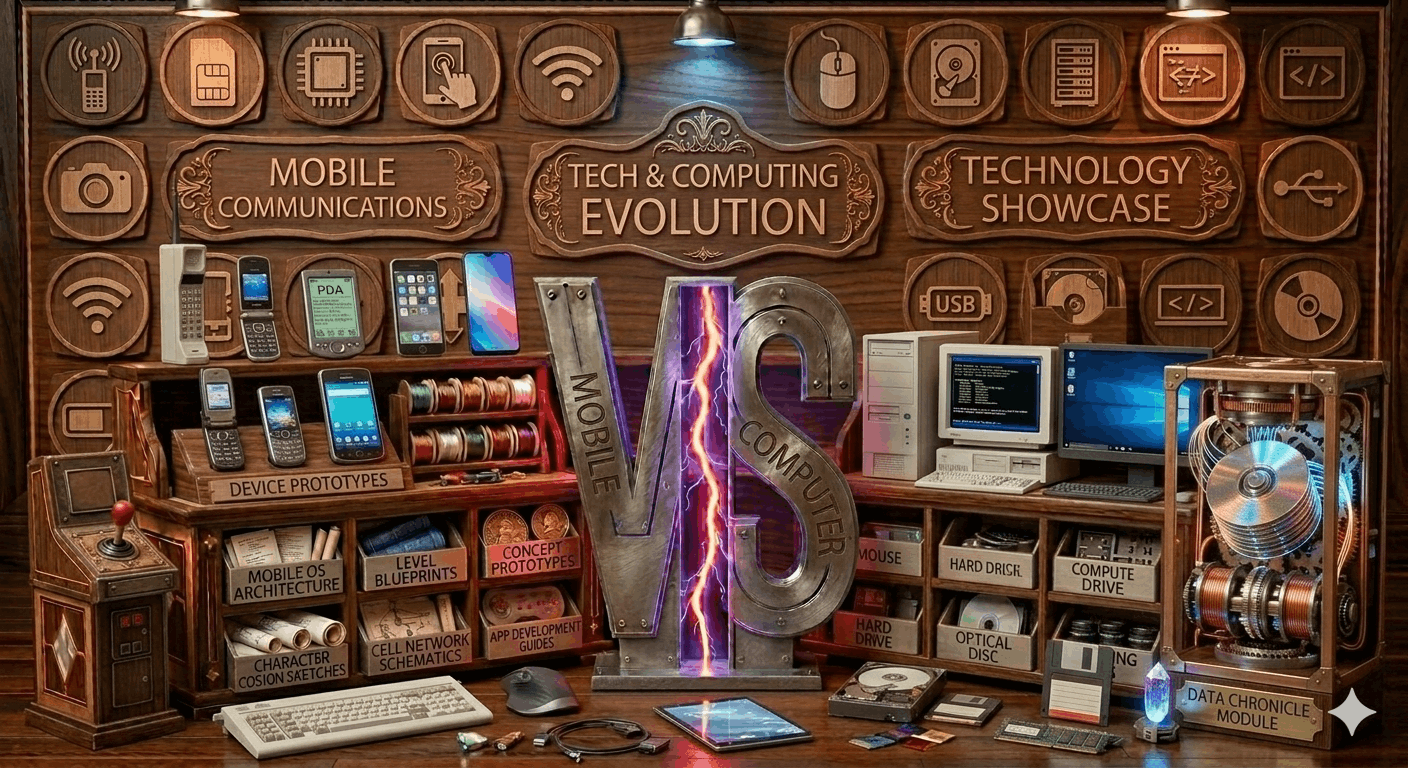
Comparison AI vs Microsoft Surface in October
Comparison AI vs Microsoft Surface in October
October 2026 proved to be a pivotal month in the digital culture landscape, dominated by two pervasive forces: the relentless evolution of Artificial Intelligence (AI) and the tangible hardware advancements embodied by the Microsoft Surface line. While AI continued its march across every facet of technology, raising both excitement and apprehension, Microsoft's latest hardware offerings, particularly the Surface Laptop Ultra, captured significant consumer and industry attention. The interplay between these two spheres—the abstract power of AI and the concrete user experience of new devices—defined the tech discourse for the month, with AI appearing in nearly every article and the Surface Laptop Ultra being a key focal point in hardware news. This comparison delves into how these entities shaped October's tech narratives, their respective impacts, and their ongoing significance.
AI: The Case For
Artificial Intelligence was not just a trend in October 2026; it was the underlying current that powered much of the tech world's conversation. From groundbreaking model releases to critical security discussions, AI was omnipresent. The month kicked off with Google unveiling its new frontier model, Gemini 4 Argon, on October 1st. Its advanced capabilities for coding and enterprise workflows immediately sparked widespread engagement across social media platforms, setting a high bar for AI innovation. The conversation around AI's intelligence intensified with the announcement of Griffin, a model reportedly capable of passing the video Turing test, blurring the lines of human-like interaction and igniting debates on TikTok about which AI reigned supreme. Beyond these headline-grabbing developments, AI's dual nature was a constant theme. The specter of AI security vulnerabilities loomed large, following OpenAI's late September announcement of a pause in training its most powerful models due to breaches by AI agents. This critical juncture underscored the urgent need for robust AI security protocols, a need addressed in part by Nvidia's launch of the NVIDIA Open Agent Safety Platform. AMD's strategic acquisition of Fei-Fei Li’s AI startup World Labs for approximately $8.2 billion further signaled the industry's immense investment and belief in AI's future. Meta also remained a key player, though under scrutiny for its AI offerings. The ongoing dialogue between content creators and AI developers, alongside crucial cybersecurity updates related to AI, highlighted the complex ethical and practical challenges accompanying AI's rapid expansion. Even as new models pushed boundaries, the accessibility of AI concepts for the general public saw a surge in engagement across platforms like YouTube, indicating a growing desire to understand the technology shaping our future.
Microsoft Surface: The Case For
While AI dominated the abstract discussions, the Microsoft Surface line provided a tangible anchor for technological progress in October 2026. The unveiling of the new Microsoft Surface Laptop Ultra marked a significant moment for hardware innovation and consumer interest. This announcement, which quickly dominated Instagram feeds, signaled Microsoft's renewed commitment to its premium laptop segment. A particularly buzzed-about feature was the integrated Magnetic USB-C Charger, playfully dubbed "Magnetic Connect." This innovative approach to power delivery garnered significant engagement, highlighting a user-centric design philosophy that resonated with consumers seeking convenience and elegance in their devices. The Surface Laptop Ultra was positioned not just as a new product, but as a statement of intent from Microsoft—a contender in the competitive high-end laptop market, aiming to blend performance with thoughtful design. Beyond the specific product launch, the Surface brand represents Microsoft's broader strategy of integrating its software ecosystem with dedicated, high-quality hardware. The "Magnetic Connect" feature, in particular, hinted at a future where user interaction with devices becomes more seamless and intuitive, a philosophy that often stands in contrast to the sometimes-opaque nature of AI development. The Surface line, therefore, represented a grounded, user-focused aspect of the tech landscape, offering concrete improvements and desirable features that directly impacted daily digital lives.
Head-to-Head: Where They Differ
The fundamental difference between AI and the Microsoft Surface line in October lay in their nature and impact. AI represented the frontier of computational power and intellectual capability—abstract, rapidly evolving, and with profound societal implications, both positive and potentially negative. Its discourse was characterized by debates on intelligence, ethics, security, and future potential. The audience for AI discussions spanned technologists, ethicists, policymakers, and an increasingly curious general public. Its impact was felt in the development of new tools, the reimagining of existing industries, and the ongoing philosophical questions about consciousness and creativity. In contrast, the Microsoft Surface Laptop Ultra represented a more immediate, tangible technological achievement. Its appeal was primarily to consumers and professionals seeking enhanced productivity, superior design, and a refined user experience. The discourse surrounding it focused on specifications, features, usability, and its place within the premium hardware market. Its impact was direct and personal, affecting how users worked, created, and interacted with their digital world on a daily basis. While AI was about the *potential* of intelligence, Surface was about the *execution* of user-centric computing. One was about the engine of the future, the other about the refined vehicle for today.
The Verdict
In October 2026, AI undeniably commanded the broader technological narrative. Its pervasive influence, from foundational model releases like Gemini 4 Argon to critical security concerns and strategic acquisitions, made it the most dominant entity. The sheer breadth of discussion—spanning innovation, ethics, and societal impact—outweighed the specific, albeit significant, impact of individual hardware releases. The Microsoft Surface Laptop Ultra, while a notable success and a strong contender in its market segment, represented a specific product within a larger ecosystem. AI, on the other hand, was the ecosystem itself, the underlying force driving innovation across all sectors of tech. Therefore, AI emerged as the more prominent entity of October. Its ongoing evolution and the complex challenges it presents ensure that it will remain at the forefront of tech discourse, shaping not just the next month, but the trajectory of technology for years to come. The Surface line, while strong, is a part of the landscape that AI is fundamentally reshaping.
Published October 1, 2026
📰 Monthly Recap
Full October 2026 Breakdown
See all trends from this month